
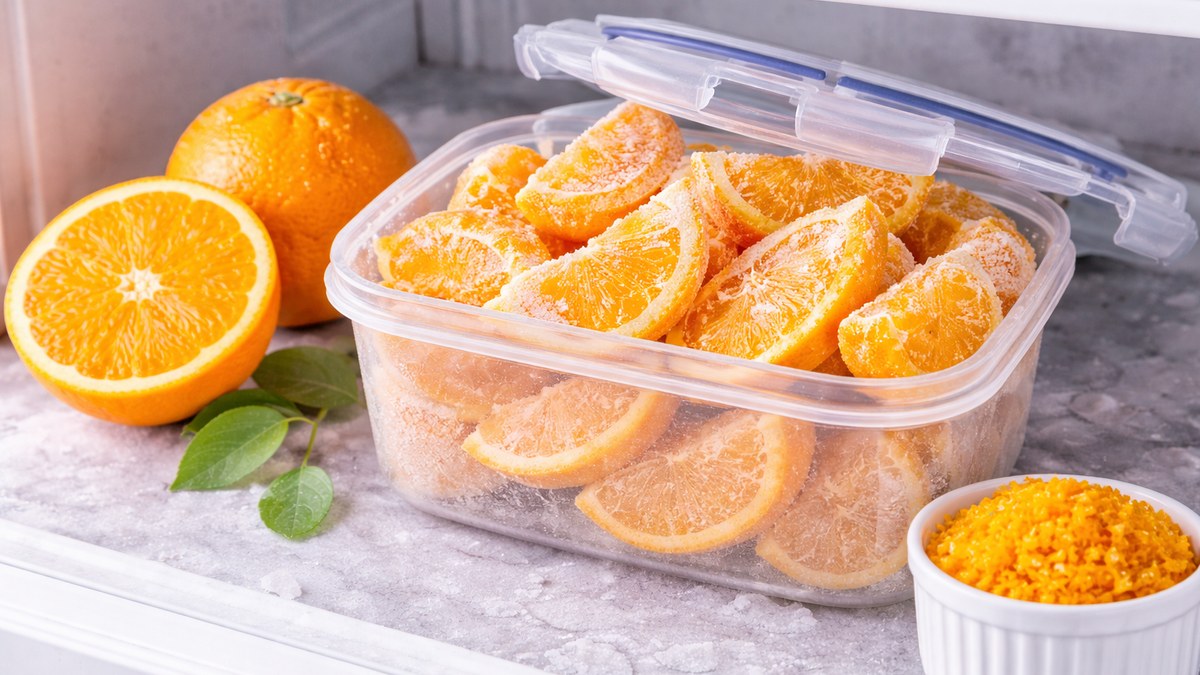
Can You Eat Frozen Oranges?
Frozen oranges are a great way to enjoy the sweet, tangy taste of fresh orange juice without having to wait for it to thaw. If you have an ice-free home and don’t mind eating off the spoon, then by all means, go for it! If not, then read on to learn why freezing your oranges is the healthiest way to enjoy them. If you can’t see the answer you’re looking for, then we apologize for not knowing the answer to that question. The medical community remains divided on whether or not freezing oranges is safe.
On one hand, it’s been proven that freezing works to make certain nutrients in food stay where they belong: in your stomach and not on your plate (1). This makes sense when you think about it: fruits are high in pectin, a soluble fiber that helps keep food moving through your digestive system as fast as possible (2). However, on the other hand, freezing has been linked with some drawbacks. In this article, we talk about why you should consider freezing your oranges if you want to eat them — and what you can do if you want to ditch this option forever.
What Happens When You Freeze Oranges?
Well, first of all, the fiber in oranges is not fiber the way that fiber is found in other plants (3). Additionally, the liquid inside oranges does not get solidified when frozen, which means that the pectin in the fruit swells and breaks down to release the essential nutrients. Finally, freezing does not stop the essential oil-based compounds in oranges from being released, which means that they are still quite delicious after being frozen. For these reasons, we recommend freezing oranges to enjoy their fresh, citrus taste.
Why You Should Freeze Oranges
As we mentioned above, fresh oranges are high in pectin. The pectin in oranges is believed to help with digestive health and help with proper digestive function (4). Pectin is also known to be anti-inflammatory and helps with various autoimmune diseases like lupus and rheumatoid arthritis (5). Additionally, pectin is thought to have anti-aging properties, helping to break down body tissue and slow down the aging process (6).
How To Freezer Oranges
If you are interested in freezing your oranges for medical purposes, we suggest freezing them for at least 6 months. This is the time needed for the anti-inflammatory compounds in oranges to have time to quiet down and for the pectin to absorb into your body. If you are interested in consuming them sooner, we recommend freezing them for 1 month.
This method of freezing oranges is called sublimation, which means that the molecules are literally changing form and moving away from the object they are bound to. The process is called freezing, where the molecules are literally changing form and moving away from the object they are bound to.
3 Reasons Why You Shouldn’t Freeze Oranges
As tempting as it is to push forward with freezing your oranges, we think it’s important to put some reasoning behind our decision to keep oranges away from the freezer. Nutrition Facts Fresh oranges provide: Vitamins A, B2, B3, B5, and C Fiber – 0 Protein – 0 Fat – 0 Carbohydrates – 0 Sugar – 0 Fiber Swelling – 0 Noise – 0 Healthy Tasting – 0 Pectin and anti-aging properties – 0 Yellow blotch on skin – 0 Pregnancy – 0 Expiry Date – 0 Longevity – 0
The Final Words
If you are interested in freezing your oranges, then we recommend freezing them for at least 6 months. This is the time needed for the anti-inflammatory compounds in oranges to have time to quiet down and for the pectin to absorb into your body. If you are interested in consuming them sooner, we recommend freezing them for 1 month. This method of freezing oranges is called sublimation, which means that the molecules are literally changing form and moving away from the object they are bound to. The process is called freezing, where the molecules are literally changing form and moving away from the object they are bound to.